Dual-Use: Lunar Habitat Technology on Earth
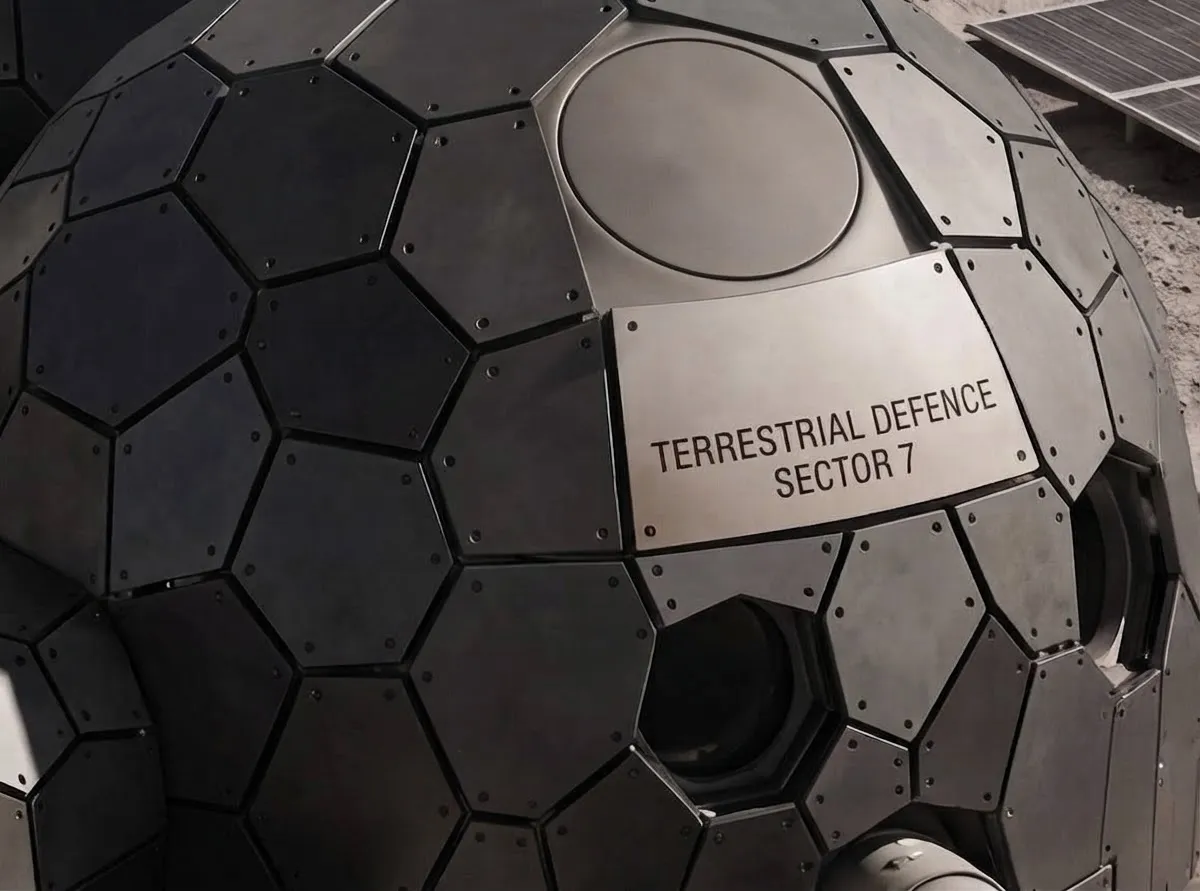
Defense Options
“Almost all technology is dual-use at its core.”
The dynamics of world politics are unpredictable.
The safety demands of many nations are rising.
Our lunar Matryoshka Shell Design (MaSh) is a perfect blueprint for habitat designs that suit any harsh conditions, like deserts, battlefields, or even the deep sea!
MaSh's double-layered architecture translates directly to terrestrial defense, combining multi-material composite layers to provide maximum structural resistance against dynamic energy and kinetic impacts.
Semi-autonomous deployment through BCI-supervised swarm robotics, a 30% ISRU degree and a deployment duration time of a few weeks make our defense shelters a game-changing, modular solution.
DownStream
“Unique research projects for unique data & insights.”
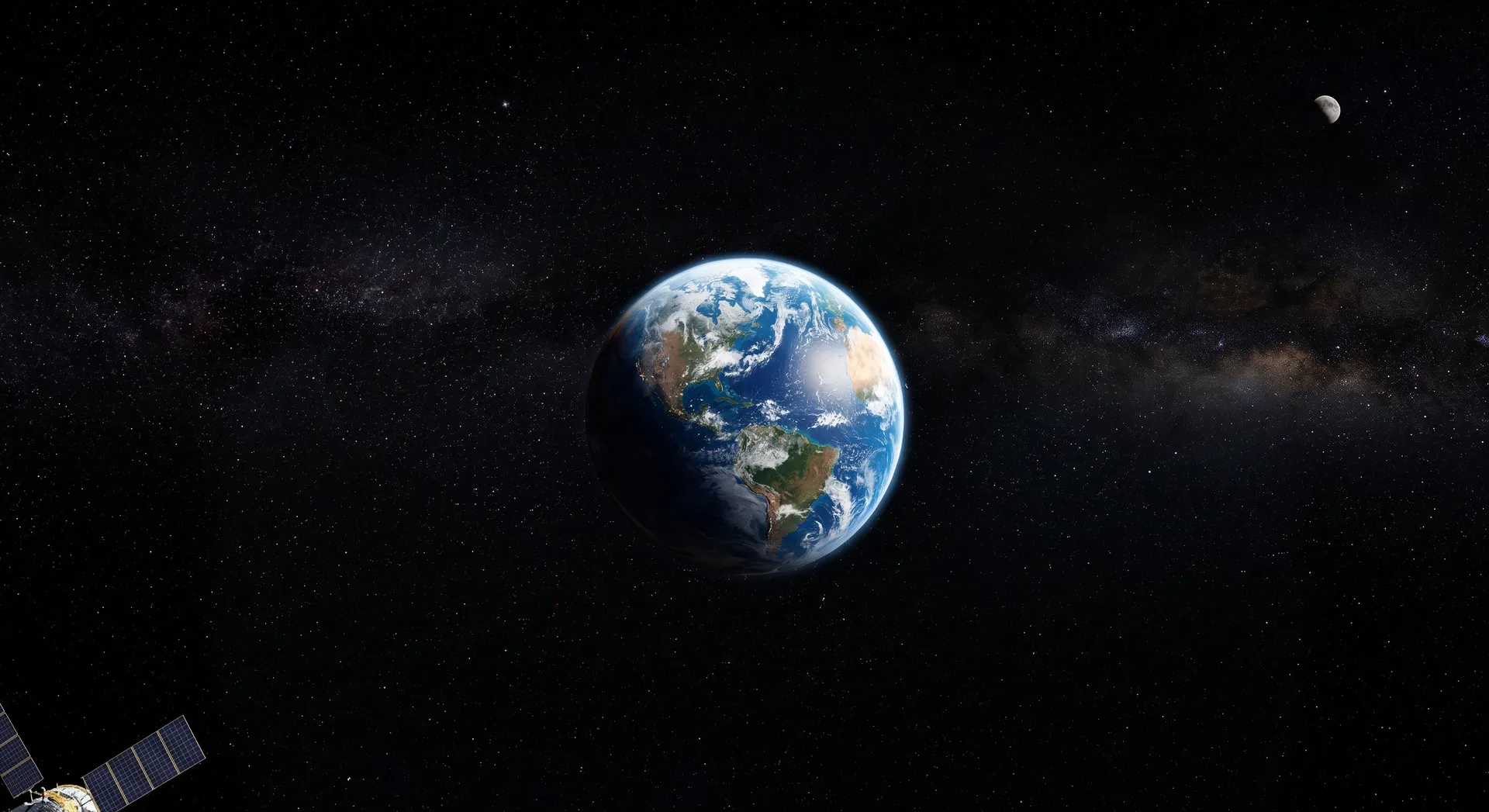
Who actually needs a lunar habitat? What´s the business case?
Lunar Data Centers:
Novel applications such as lunar data centers are a solid use case. In September 2026, LUNAR HABITATO developed the LUNAR DC concept along with data center management provider DC Smarter and submitted their approach to ESA's "Open Space Innovation Platform" call for applications for lunar data centers.
Additionally, the lunar environment, in particular its low gravity, offers unique conditions for researching, for instance:
Unlocking a Billion-Year Volatile Record in Permanent Cold Traps
In permanently shadowed regions (PSRs) inside polar craters, temperatures sit continuously around 30–40 Kelvin (-240°C). These deep freeze zones have acted as cold traps for billions of years, capturing water ice, cometary organics, and volatile elements delivered by ancient impacts.
Unlike Earth (where water cycles and geology erase history) or comets (which boil off volatiles as they approach the Sun), these PSR cold traps contain an uninterrupted, pristine chemical archive of the primordial outer solar system locked directly in the ground.
Multi-Generational Partial-Gravity Biological Research (0.166g)
We have extensive data on Earth's 1 g environment and growing data on 0 g (microgravity) from space stations. However, zero-gravity research cannot answer how biological systems respond to long-term fractional gravity.
The Moon is the only accessible, stable environment to conduct multi-generational biological research at 0.166 g. Studying gene expression, bone/muscle remodeling, cardiovascular changes, and mammalian reproduction across generations under lunar gravity is vital for understanding human adaptation to space - and cannot be replicated in centrifuges aboard the ISS, where rotational gradient forces introduce unnatural Coriolis stresses.
These are merely two of many possible fields of research which can only be done on the Moon.
Let´s conquer the possibilities together!